

Canada's New Immigration Rules Got You Stressed? 7 Alternative Pathways You Haven't Considered
Canada's immigration system underwent major changes in 2025. The country targets 395,000 new permanent residents while prioritizing temporary residents already in Canada for permanent status transitions. Recent policy shifts affect visitor visa holders and work permit applicants. Converting temporary stays into work opportunities became more difficult once in Canada.
Multiple lesser-known pathways remain available. These alternatives offer viable routes to Canadian permanent residency without relying on traditional Express Entry competition.
1. Economic Mobility Pathways Program
Canada transitions the Economic Mobility Pathways Pilot (EMPP) into a permanent program in 2025. This pathway targets skilled refugees and displaced persons. The program connects individuals with Canadian employers and provides permanent residence routes.
The pilot succeeded since its 2018 launch. The federal government plans launching the permanent version before December 31, 2025 expiration. Most applicants overlook this option despite its effectiveness for qualified candidates.
Eligibility requires refugee status recognition and skilled work experience. Canadian employers participate through designated partnerships. Processing times remain shorter than conventional refugee programs.

2. Atlantic Immigration Program
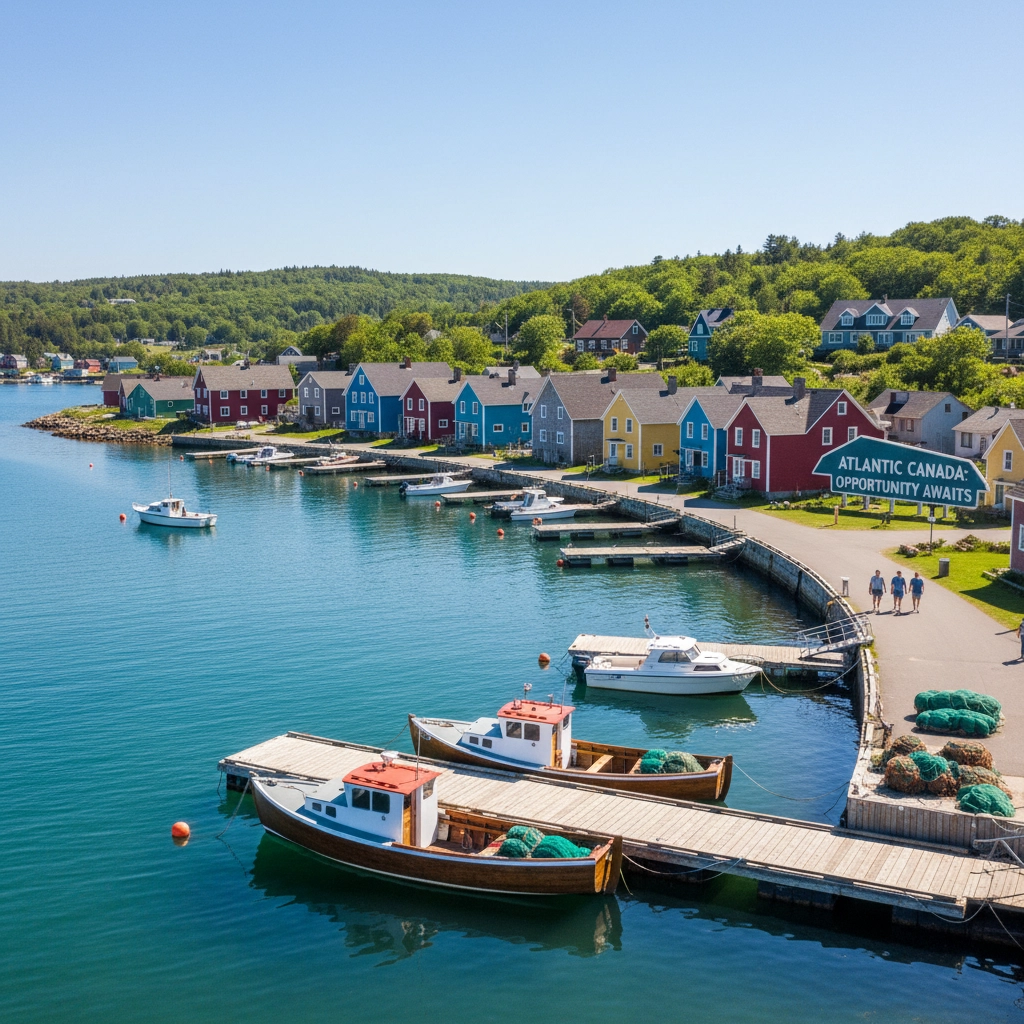
Four Atlantic provinces participate: Nova Scotia, New Brunswick, Prince Edward Island, and Newfoundland and Labrador. The program streamlines permanent residency for skilled workers and international graduates settling in these regions.
Processing times move faster than federal programs. Candidates need job offers from designated employers addressing specific labor shortages. Regional settlement provides community support and integration assistance.
Requirements include language proficiency and relevant work experience. Designated employers handle portions of the application process. Provincial endorsement precedes federal application submission.
3. Home Care Worker Immigration Pilots
New pilots launch March 31, 2025, replacing previous caregiver pathways. The programs accept 2,750 applications with significant improvements over predecessor programs.
Key advantage: permanent residency status granted upon arrival for eligible caregivers. Employment flexibility allows work across various home care settings rather than single employer restrictions.
Two streams operate: Home Child Care Provider Pilot and Home Support Worker Pilot. Both require Canadian Language Benchmark 5 in English or French. Relevant education and work experience determine eligibility.
4. Rural and Francophone Community Pilots
Two specialized pilots launch in 2025 targeting underserved areas. The Rural Community Immigration Pilot (RCIP) covers 14 designated rural communities. The Francophone Community Immigration Pilot (FCIP) supports French-speaking immigrants outside Quebec.
RCIP requires job offers in participating communities experiencing labor shortages. Community recommendations strengthen applications. Settlement support includes housing assistance and community integration programs.
FCIP prioritizes French language skills and community connections. Eligible occupations vary by participating community needs. Both pilots offer permanent residency pathways with community endorsement.
5. Strategic Provincial Nominee Programs
PNP quotas adjusted in 2025 create varying competition levels across provincial programs. New Brunswick reopened provincial pathways February 5, 2025, using controlled intake management.
Strategic approach involves targeting provinces with emerging labor needs rather than competitive streams. Research provincial priorities and occupation demands before application submission.
Processing advantages include direct provincial contact and regional labor market alignment. Some provinces offer paper-based applications alongside online systems. Provincial nomination adds 600 points to Express Entry scores.
6. Business Immigration Pathways
Canada expects 5,000 immigrants through business-related streams in 2025. These programs target entrepreneurs, investors, and self-employed individuals contributing to economic growth.
Start-up Visa Program connects entrepreneurs with designated organizations. Self-employed Persons Program serves cultural workers and farmers. Investor programs operate at provincial levels with varying requirements.
Business experience and capital investment determine eligibility. Language requirements typically lower than skilled worker programs. Processing times vary by program stream and provincial administration.

7. Super Visa Extended Family Option
Parents and Grandparents Program (PGP) suspended new applications in 2025. Super Visa provides practical alternative for family reunification needs.
Extended stays allow up to 5 years per visit with multiple entries over 10 years. Insurance requirements and financial support commitments apply. No direct permanent residency path, but enables family connections maintenance.
Eligible family members include parents and grandparents of Canadian citizens and permanent residents. Financial support requirements demonstrate sponsor capacity. Medical examinations and background checks required.
Implementation Strategy
The 2025-2027 Immigration Levels Plan sets temporary resident targets for the first time. This shift emphasizes controlled transition from temporary to permanent status management.
Direct applications from home countries provide better success rates than visitor visa conversions. Express Entry, Canadian study programs, or Provincial Nominee Programs offer more reliable pathways than uncertain visitor status work permit attempts.

Language proficiency requirements range from CLB 4-7 depending on program stream. Temporary residents access multiple transition routes including Express Entry, PNPs, and employer-sponsored streams.
Program Selection Criteria
Educational credential assessment requirements vary by pathway. Some programs accept foreign credentials while others require Canadian equivalency. Professional licensing affects certain occupations across all immigration streams.
Financial requirements differ significantly between programs. Business streams require substantial capital while skilled worker programs focus on settlement funds. Family programs include sponsorship financial obligations.
Regional settlement commitments apply to location-specific programs. Atlantic Immigration requires genuine settlement intention in participating provinces. Rural pilots include community integration expectations.
Application Timing Considerations
Program intake cycles vary throughout 2025. Some operate continuous intake while others use periodic draws or annual quotas. Research specific program schedules before preparation begins.
Processing times fluctuate based on application volume and complexity. Complete documentation submission reduces processing delays. Professional consultation may expedite complex cases.
Multiple pathway applications require careful coordination to avoid conflicts. Some programs restrict simultaneous applications while others permit parallel submissions.
These seven alternatives provide viable options beyond traditional immigration routes. Each pathway serves specific applicant profiles and circumstances. Thorough research and strategic selection optimize success probability.
For personalized pathway assessment and application support, contact G1 Immigration for professional consultation services.